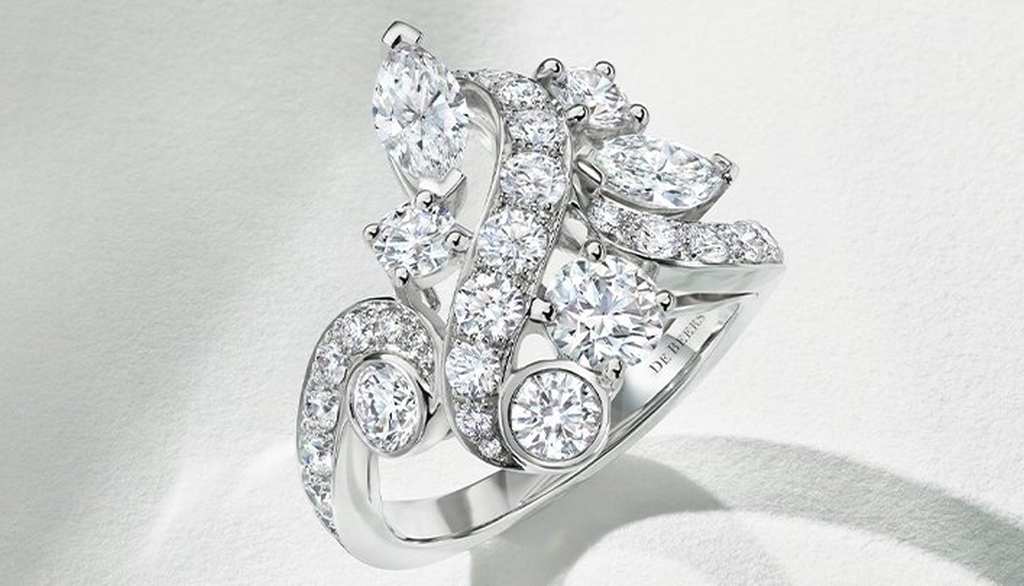

An old engagement ring, a broken gold chain, or inherited jewellery may have value even if you no longer wear it. The challenge is knowing which selling option suits the item and how to recognise a reasonable offer.
If you are researching where to sell jewellery Perth, the answer depends on what you own. A local gold buyer may suit unwanted or damaged gold, while a specialist jeweller or auction house may be more appropriate for a valuable designer or antique piece. Understanding the difference can help you avoid accepting a metal-only offer for jewellery that deserves a closer assessment.
Where Can You Sell Jewellery in Perth?
Perth sellers have several options, including gold-buying businesses, second-hand jewellers, pawnbrokers, auction houses, and private resale platforms. Each uses a different approach to pricing, so the most suitable choice depends on the item’s materials, condition, and potential resale demand.
|
Selling option |
Often suitable for |
Main consideration |
|---|---|---|
|
Local gold buyer |
Unwanted, broken, or scrap gold jewellery |
Usually focuses on precious-metal content |
|
Second-hand jeweller |
Wearable jewellery with resale appeal |
May consider design, condition, and demand |
|
Auction house |
Antique, rare, or collectible pieces |
Fees and sale timing may affect the result |
|
Pawnbroker |
Jewellery offered for sale or as security for a loan |
Understand the difference between selling and borrowing |
|
Private resale |
Pieces with an identifiable retail or collector market |
Requires time, buyer verification, and secure payment |
A gold buyer and a second-hand jeweller may make different offers for the same ring because they intend to sell or process it differently. Neither offer is automatically unfair. The important question is whether the valuation method matches the item.
How Gold Buyers Assess Jewellery
Gold buyers generally assess the purity and weight of the precious metal before calculating an offer. They may also consider whether an item has resale value beyond its gold content.
Purity, Hallmarks, and Weight
Gold purity is commonly expressed in carats or fineness. A 9-carat item contains 37.5% gold, while 18-carat gold contains 75%. Common markings include 375 for 9 carat, 585 for 14 carat, 750 for 18 carat, and 916 for approximately 22 carat.
A hallmark is useful evidence, but it does not prove authenticity on its own. Professional testing may be needed if a mark is missing, worn, or questionable. Buyers may use methods such as electronic testing, acid testing, or X-ray fluorescence, depending on their equipment and the item.
Weight also matters. A buyer should explain whether the quoted weight includes non-gold components, such as stones or other materials, and how those components affect the calculation.
Why the Spot Price Is Not the Payout
The spot gold price is a market reference for gold, gold buyers quoted per troy ounce. A troy ounce is approximately 31.1 grams. It is not the same as the amount a customer receives for jewellery.
A buyer’s offer may reflect purity, actual gold weight, refining requirements, resale potential, dealer costs, and market conditions. Ask how the offer was calculated and whether any deductions apply. A clear explanation is more useful than a headline percentage that does not identify what it is based on.
Should You Sell Jewellery for Metal Value or Resale Value?
The distinction between metal value and resale value is especially important for jewellery with gemstones, recognised makers, or unusual craftsmanship.
A damaged 9-carat chain may be assessed mainly for its gold content. A well-preserved antique ring, however, could attract interest from buyers who value its design, age, or collectability. A metal-only valuation may not account for those features.
Before selling a potentially valuable piece, consider whether a specialist appraisal is worthwhile. This is particularly relevant for signed jewellery, antique items, or pieces containing significant diamonds or coloured gemstones. An appraisal is not a guarantee of the price a buyer will pay, but it can help identify characteristics that a general gold assessment might overlook.
How to Compare Local Jewellery Buyers
Comparing several offers is often sensible when selling valuable jewellery. The highest number is not the only factor to consider; the valuation method, conditions, and payment terms also matter.
A useful starting point for researching where to sell jewellery Perth is to compare local gold-buying services, including goldbuyersperth.com.au, against other suitable options and ask each business how it assesses your particular items.
When contacting a buyer, ask:
-
Is the jewellery valued for its gold content, resale potential, or both?
-
How is purity tested, and can the process be explained?
-
Will the gold be weighed in front of you?
-
Are gemstones assessed separately or excluded from the offer?
-
Are there any fees, deductions, or conditions?
-
Can you decline the offer without completing the sale?
-
What payment methods are available, and when is payment made?
Customer reviews can provide useful context, but look for consistent patterns rather than relying on one unusually positive or negative review. Clear contact details, transparent terms, and a willingness to explain the process are also useful indicators when comparing businesses.
What to Prepare Before Taking Jewellery for Valuation
A little preparation can make the appointment easier and reduce the chance of overlooking an item.
Sort jewellery by type and keep any original receipts, certificates, boxes, or previous appraisals together. These documents may help establish provenance or identify a particular gemstone or designer, although they do not guarantee resale value.
If you have several pieces, photograph them and make a simple inventory. Avoid cleaning antique or delicate jewellery aggressively, as unsuitable cleaning methods can damage finishes, settings, or gemstones. A professional can advise whether cleaning is appropriate.
Ask the business what identification or documentation it requires before visiting. Requirements may vary according to the business and transaction, so confirming them in advance can prevent an unnecessary trip.
Local Appointments Versus Mail-In Jewellery Services
A local appointment allows you to discuss the assessment, observe weighing where offered, and ask questions before deciding. It may also be easier to retrieve your jewellery if you decline an offer.
Mail-in services can be convenient for people who cannot visit a physical location, but the terms deserve careful attention. Check how parcels are tracked, what insurance applies, how items are assessed, and what happens if you reject the valuation. Understand any return costs and the process for resolving a dispute before sending valuables.
For high-value or unusual jewellery, an in-person specialist assessment may provide more opportunity to discuss features that are difficult to judge from photographs.
Before You Accept an Offer
Ask for the final amount and make sure you understand what is included. If several pieces are being sold, request an itemised explanation where available so you can compare offers more accurately.
Do not feel obliged to accept immediately. If an item has sentimental significance or you are uncertain about its value, taking time to obtain another assessment is reasonable. Once ownership has transferred and the transaction is complete, reversing the sale may not be possible.
Keep your receipt or transaction record, and confirm the payment terms before handing over the jewellery. For valuable items, use sensible travel precautions and avoid carrying more than necessary. A transparent process and an informed decision matter more than rushing to complete a sale.