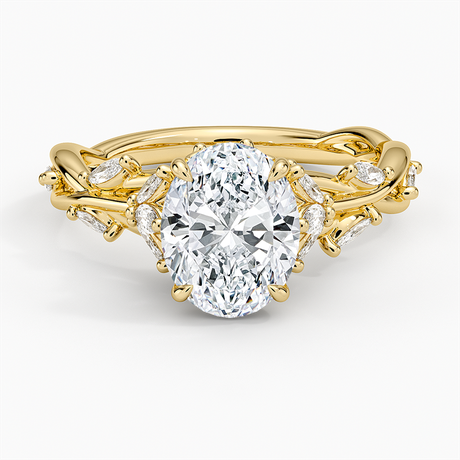

Turn Unused Jewellery Into Value
Many people own jewellery they no longer wear. It may sit in a drawer for years. Some pieces are broken. Others no longer match your style. In many cases the item still holds value because of its gold content. When you decide to sell unwanted jewellery you want a simple process and a fair price. You also want to know that the buyer values your item accurately. That is why choosing experienced gold buyers Melbourne is important. The right buyer explains the process clearly. They test the item in front of you and base their offer on current gold prices. This helps you understand what your jewellery is worth before you decide to sell.
Why People Sell Old Jewellery
Jewellery often carries a practical value even when it no longer serves a personal purpose. Many people choose to sell pieces they no longer use instead of leaving them stored away. Common reasons include:
- Broken chains or bracelets
- Single earrings without a matching pair
- Outdated designs
- Inherited items that are never worn
- Unwanted gifts
- Jewellery damaged beyond repair
Example: A person inherits several gold rings but prefers not to wear jewellery. Selling those items can free up cash while putting unused assets to work.
What Determines the Value of Jewellery?
Many sellers focus on appearance. Buyers focus on the metal itself. The value of gold jewellery usually depends on several factors:
- Gold purity
- Total weight
- Current market gold price
- Condition of the item
- Presence of gemstones
A heavy gold chain with high purity will often hold more value than a larger piece made from lower purity gold. Most jewellery contains purity markings such as 9K 14K 18K 22K or 24K. These markings help identify the amount of gold present in the item.
Understanding the Assessment Process
Many first-time sellers feel uncertain about how jewellery is evaluated. A professional assessment removes that uncertainty. The process usually begins with inspection and testing. The buyer checks hallmarks and confirms the metal content. The item is then weighed using certified scales. After testing the buyer compares the gold content with current market rates. Based on that information they provide an offer. A trustworthy assessment should be transparent. You should understand how the final figure was calculated.
Questions Worth Asking
Before accepting an offer ask a few simple questions:
- How was the gold tested?
- What purity was confirmed?
- What weight was recorded?
- How is the offer calculated?
Clear answers help you make an informed decision.
Should You Repair Jewellery Before Selling?
In most situations repairs are unnecessary. Gold buyers are generally interested in the gold content rather than the appearance of the item. A broken bracelet often contains the same amount of gold as an intact bracelet. Repair costs can reduce your return. Unless the item has collectible or designer value it is often better to sell it as it is. Example: A broken gold necklace weighing 20 grams may receive a similar valuation whether repaired or not because the gold weight remains unchanged.
How to Prepare Before Visiting a Buyer
A little preparation can make the process easier. Start by gathering all items you plan to sell. Check drawers jewellery boxes and storage containers. Many people discover forgotten pieces during this step. Next separate gold items from other metals if possible. While buyers can identify materials themselves an organised collection speeds up the process. You should also carry identification if required. Some buyers request proof of identity before completing a transaction.
Signs of a Professional Gold Buyer
Not all buyers operate in the same way. Professional standards matter when money is involved. Look for buyers who:
- Explain testing procedures clearly
- Use accurate weighing equipment
- Provide transparent valuations
- Answer questions openly
- Base offers on current gold prices
The best transactions are straightforward. You understand the value. The buyer explains the process. You make a decision without pressure.
Why Market Prices Matter
Gold prices change regularly. These movements influence how much your jewellery may be worth on a given day. Even small market changes can affect the final offer. For that reason many sellers check current gold trends before visiting gold buyers Melbourne. You do not need expert knowledge of financial markets. A basic understanding of current gold prices helps you evaluate offers more confidently.
Common Mistakes Sellers Make
Some mistakes can lead to disappointment or confusion. One common mistake is assuming a piece has little value because it is damaged. Gold retains value even when jewellery is broken. Another mistake is accepting the first offer without understanding how it was calculated. Some sellers also overlook small items. Single earrings damaged rings and broken clasps may contain valuable gold. Taking time to understand the process usually leads to better decisions.
Making a Confident Selling Decision
Selling jewellery should not feel complicated. The most important step is understanding what you own and how its value is measured. When you know the role of purity weight and market prices you can assess offers with greater confidence. Experienced gold buyers Melbourne help simplify the process. They explain valuations clearly and provide information that supports informed decisions. Whether you have a single ring or a collection of unwanted pieces the goal remains the same. Convert unused jewellery into value through a fair and transparent transaction.
Frequently Asked Questions
Can I sell broken gold jewellery?
Yes. Broken jewellery often retains value because buyers focus on the gold content rather than the condition of the piece.
Do gemstones increase the value of jewellery?
Sometimes. The impact depends on the type quality and demand for the stones. The gold content remains a major factor in most valuations.
How long does a jewellery assessment take?
Most assessments take only a short time. The exact length depends on the number of items being evaluated.